CARLO CORSALINI
Passion Becomes Craftsmanship
“For me, lutherie is the balance between tradition and innovation. I build acoustic guitars that are not just instruments, but natural extensions of the player’s sensitivity.”
Education & Experience
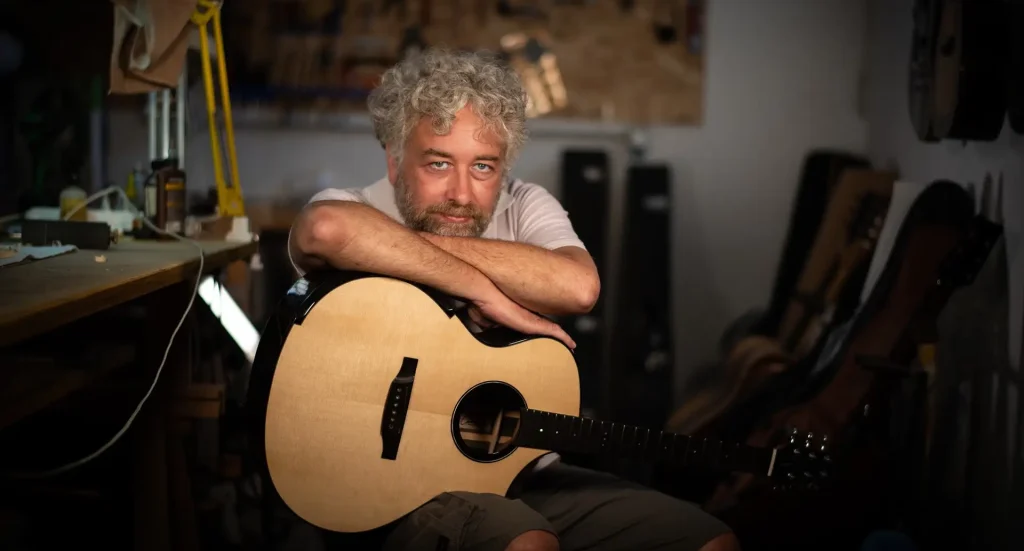
Carlo Corsalini’s journey in high-end lutherie has been marked by encounters with the world’s greatest masters. He refined his techniques attending workshops led by icons such as John Monteleone, Kevin Ryan, and Jean Larrivée, and furthered his studies with Roy McAlister and Bryan Galloup. This rare synthesis of knowledge has allowed him to blend the precision of the American school with Italian artisanal sensitivity.
The Recanati Atelier
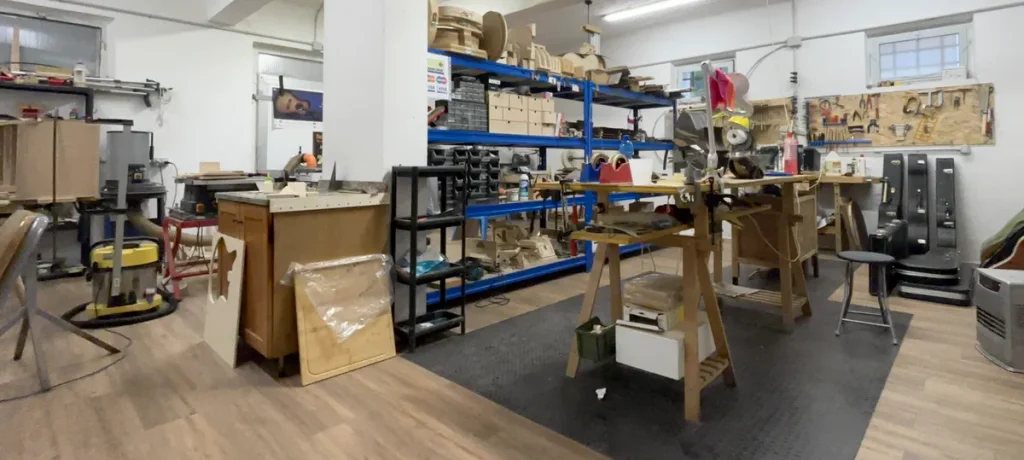
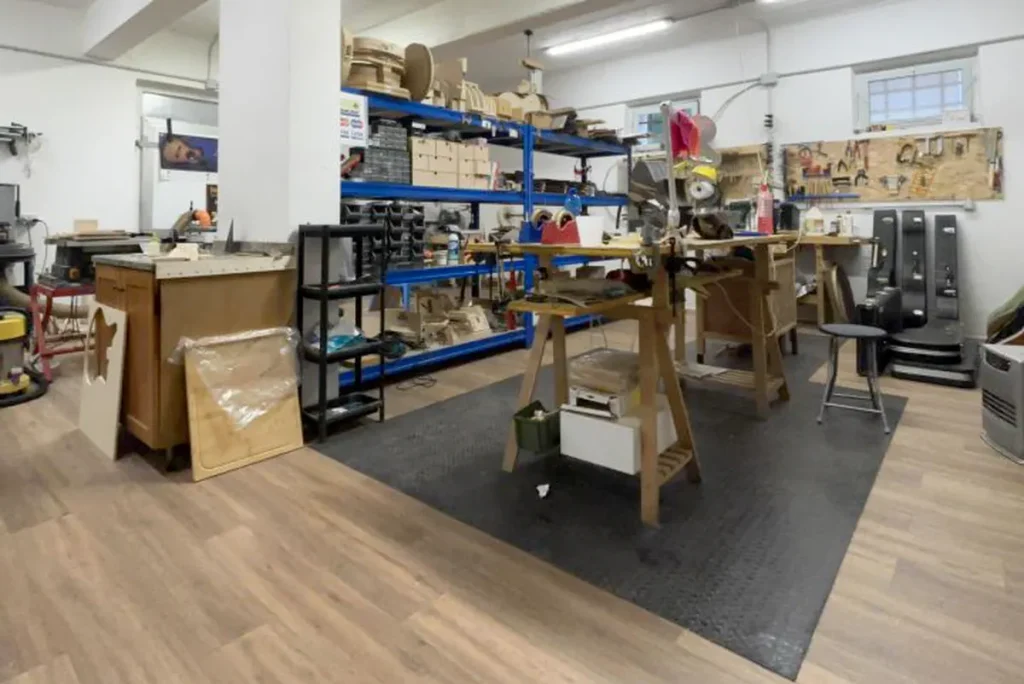
Today, this constant evolution has found its ideal home in Recanati. The new atelier was designed as a cutting-edge technical environment, where climate control and millimetric organization of space allow for the processing of the finest tonewoods in optimal conditions. It is here that every project comes to life, in the silence and precision necessary to create superior instruments.
The Label
Each instrument is a unique piece, numbered and signed by hand, ensuring authenticity without compromise.
Back and Sides
Selected tonewoods, handcrafted with calibrated thicknesses for extraordinary sound projection.
The Fingerboard
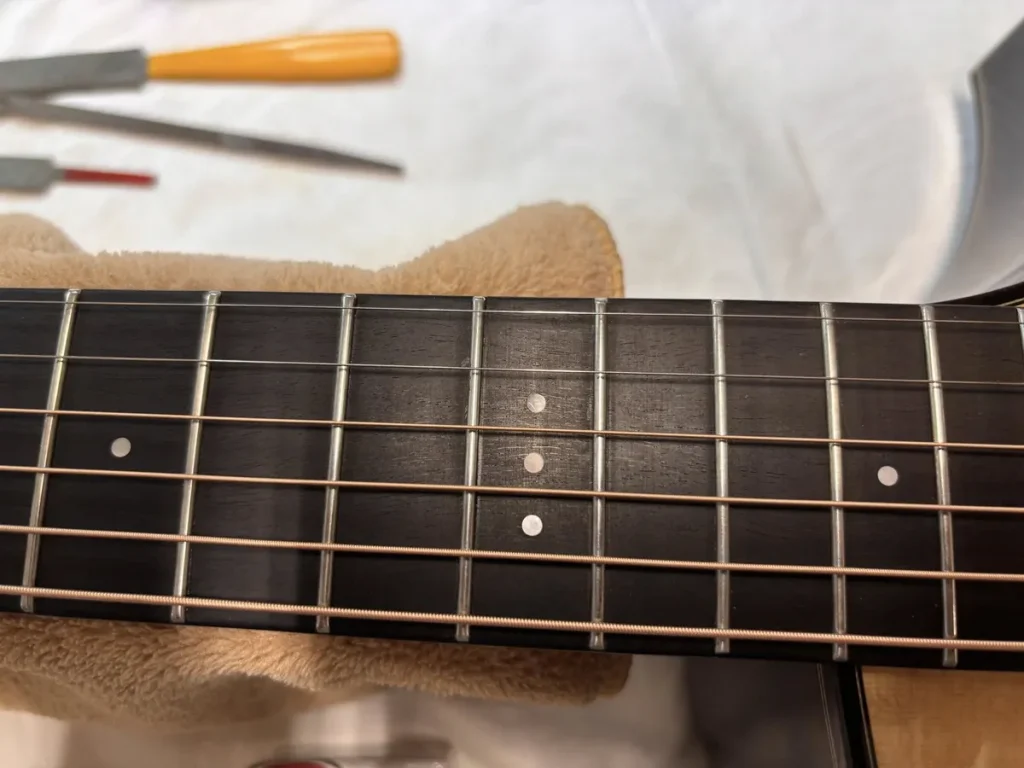
EErgonomics studied for maximum comfort, allowing the musician total expressive freedom.
Sound as an Extension
“To me, a guitar is never just an object of wood and strings. My building philosophy stems from the desire to create instruments that become a true natural extension of the musician. Every curve and every technical choice is designed to reflect the player’s sensitivity and personality, allowing the music to flow unhindered between intention and sound.“
Research and Method
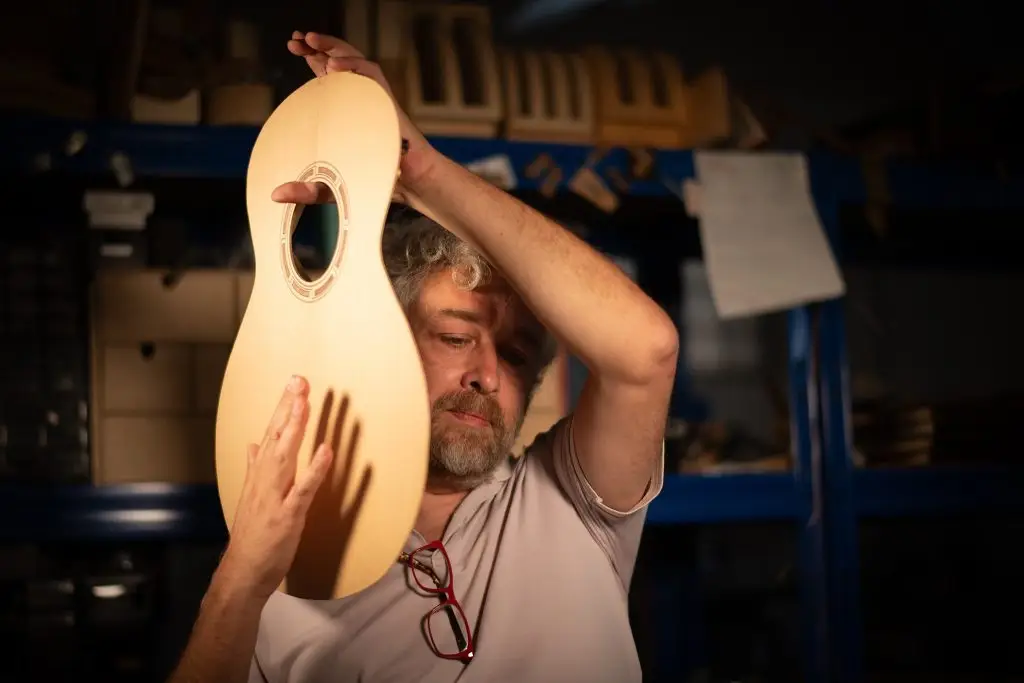
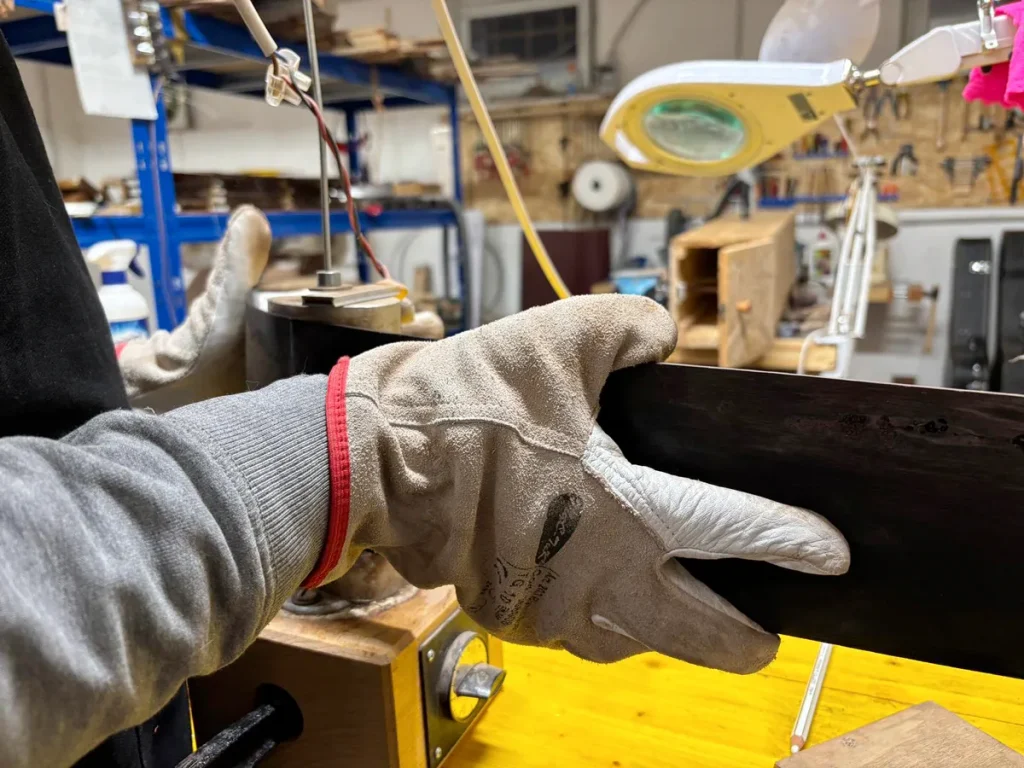
Every project begins with the selection of the wood, a ritual that requires patience and listening. In the Recanati Atelier, every board is studied to understand its vibrating potential. Thicknesses and bracing are hand-calibrated, millimeter by millimeter, to follow the natural character of the material.
Aesthetics: Beyond the Sound
The aesthetics of a Corsalini guitar are clean, essential, and profoundly Italian. Every inlay and every line of the headstock is designed to create an object that is as much a pleasure to behold as it is to play. Elegance is the natural result of perfect construction.
A Bespoke Instrument
Building a guitar means establishing a dialogue. Understanding the musician’s touch, style, and needs is an integral part of the process. Only in this way can the instrument become a natural extension capable of translating thought into music effortlessly.